

Description

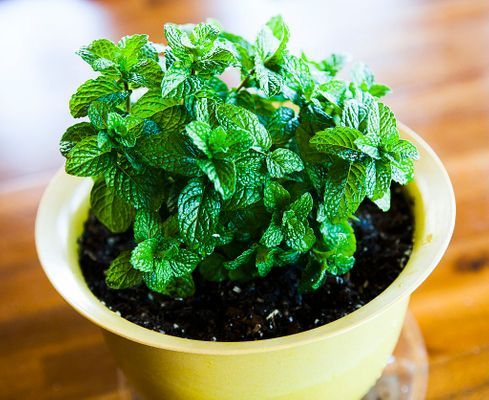
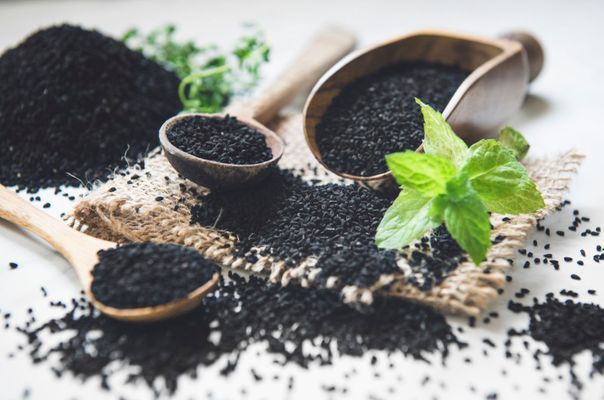
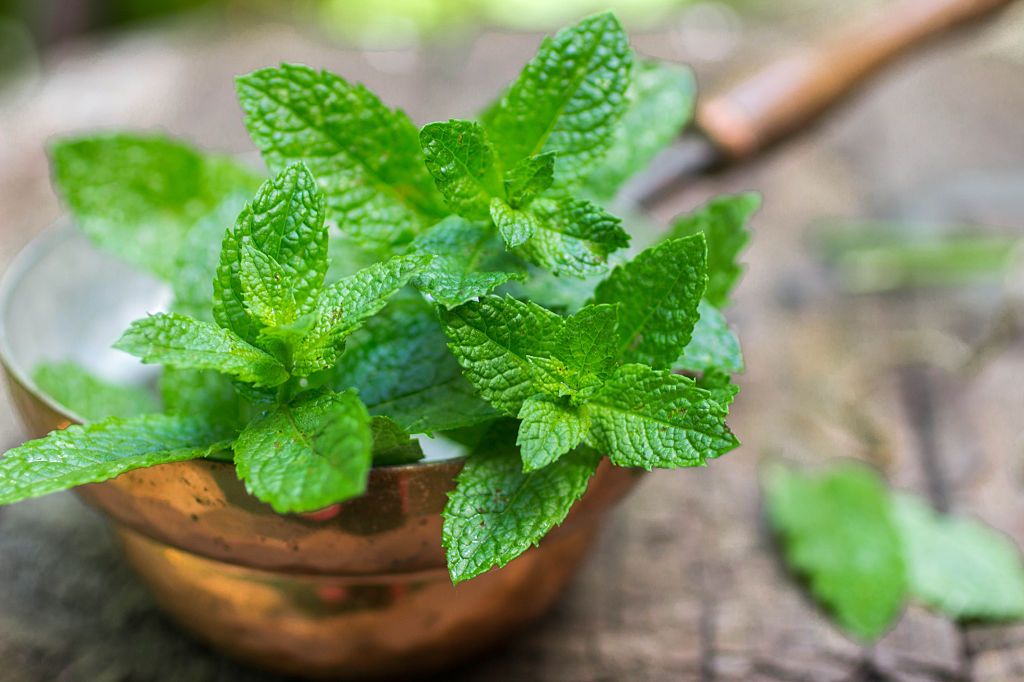
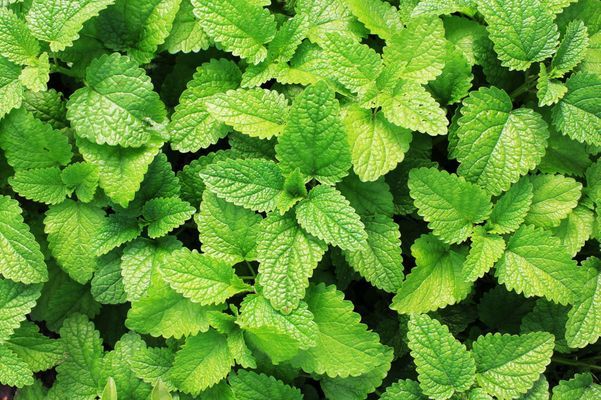
- Name: MINT SEEDS
- Quantity: (1 pack = 200 seeds)
- Germination rate: >97%
- Harvest: 3 - 4 weeks
- Color: Green
- Season: All year round
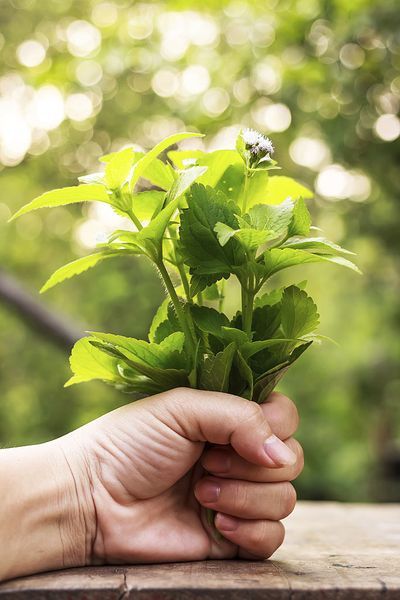
- Great spice for cooking.
- Treats colds, relieves stress, repels insects
- Easy to grow, drought tolerant, You can grow in pots or garden
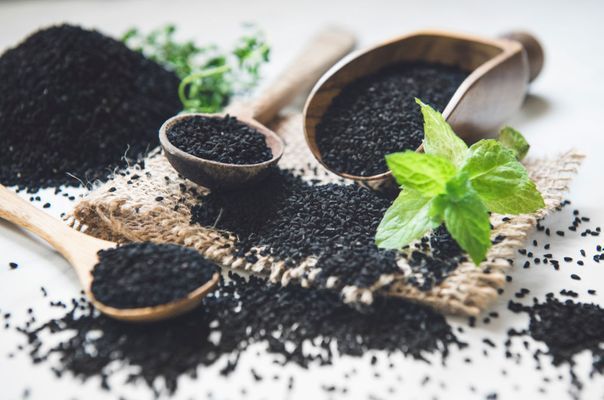
Mint aids digestion by reducing bloating and stimulating digestive fluids. Its menthol acts as a decongestant, clearing nasal passages and soothing coughs, making it useful for colds. Additionally, the aroma of mint helps reduce stress and improve mood.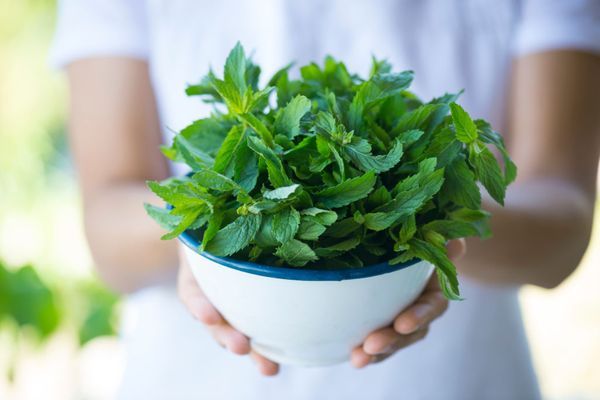
- Naturally Repels Insects
The strong scent of mint effectively repels insects like mosquitoes and flies, making it a great choice for protecting living spaces.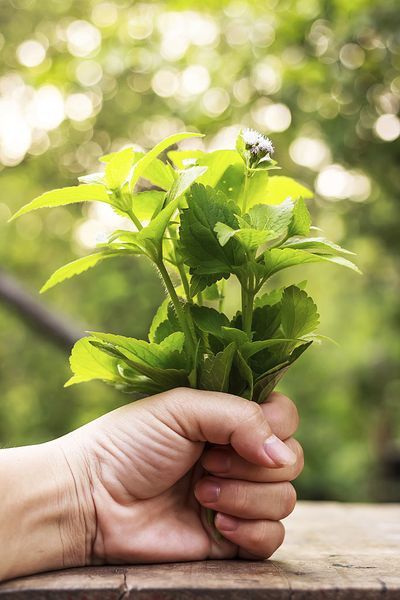
- variety of food
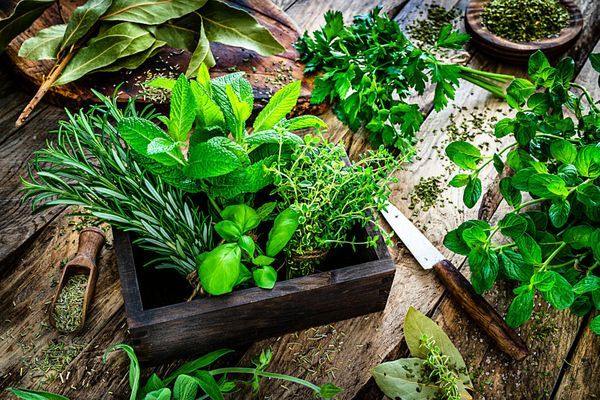
There are many delicious dishes made with mint, such as mint tea, mint salad, mint smoothie, and mint lemonade for refreshment. Mint can also be used in grilled meats and soups, along with mint-flavored cakes or ice cream. These dishes are not only tasty but also beneficial for health!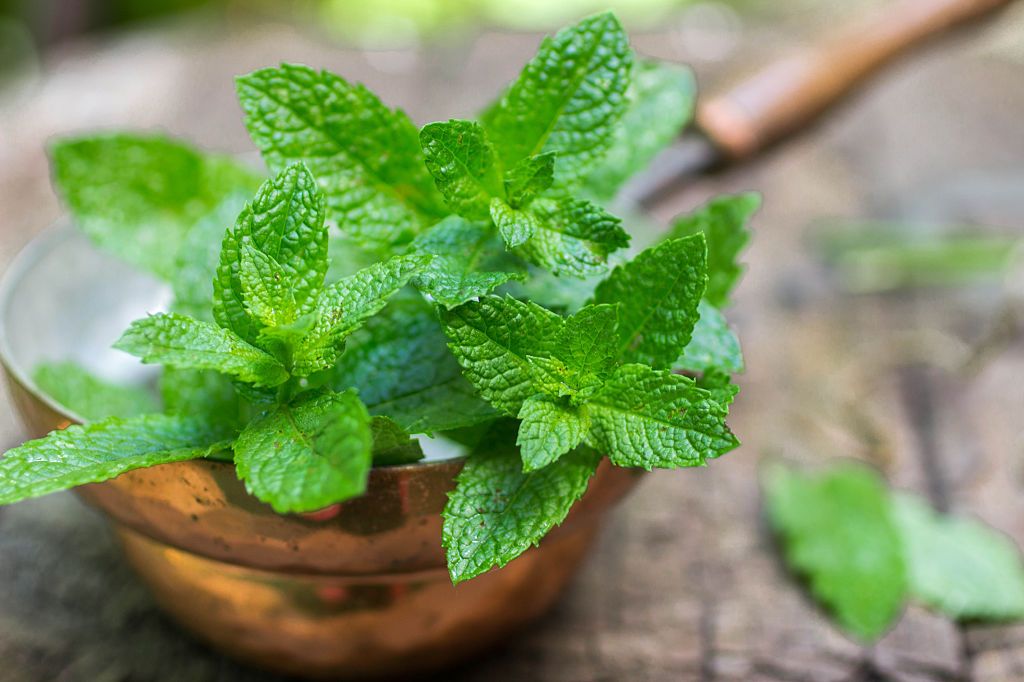
The New York Times
Mint offers numerous health benefits, including improved digestion, cold relief, stress reduction, and immunity boost. Its compounds ease indigestion, while menthol clears respiratory passages and relieves coughs. The soothing aroma helps reduce stress and improve focus, and applying mint oil to the temples can ease headaches. Rich in antioxidants, mint strengthens the immune system and reduces allergy symptoms like itching and sneezing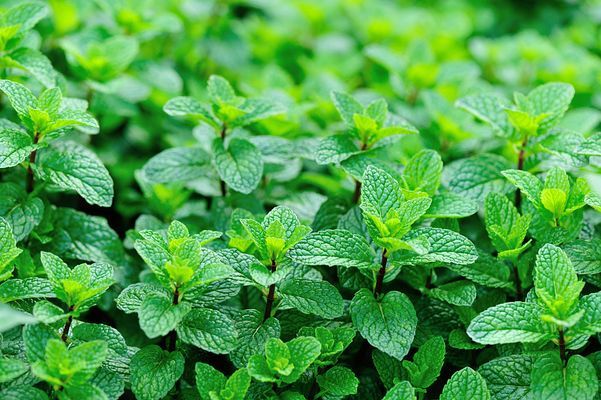
Statistics from the New York Times
GROWING INSTRUCTIONS
Soak the seeds in clean water for 4 to 6 hours, then incubate for 10 to 12 hours until germination, then sow them in the ground. After about 1-2 weeks, the seedlings will have 2-3 leaves. At this stage, you should add organic fertilizer or green manure to promote growth
When the mint has 5-6 leaves, add rice husk ash or earthworms, use a little urea diluted with water and water in the cool afternoon to stimulate plant growth during this stage.
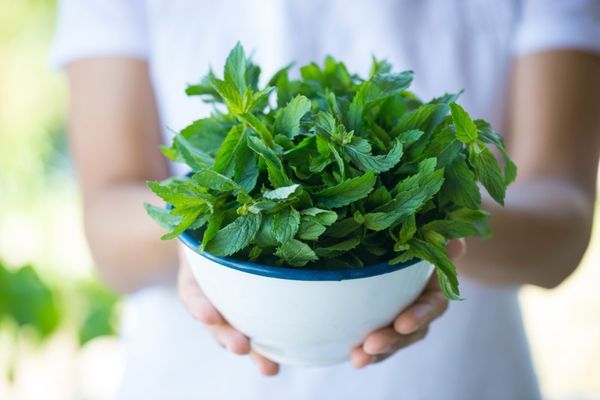
When your mint plant is 15-20 cm tall, start harvesting and you can harvest the plant several times a year.
The strong scent of mint effectively repels insects like mosquitoes and flies, making it a great choice for protecting living spaces.
- variety of food
There are many delicious dishes made with mint, such as mint tea, mint salad, mint smoothie, and mint lemonade for refreshment. Mint can also be used in grilled meats and soups, along with mint-flavored cakes or ice cream. These dishes are not only tasty but also beneficial for health!
Customer Reviews
Share your experience
Reviews( )
With Photos( )
Sort by:
Most Recent
- Most Recent
- Highest Rating
See more
already the first one
already the last one
Cart


Your cart is currently empty.